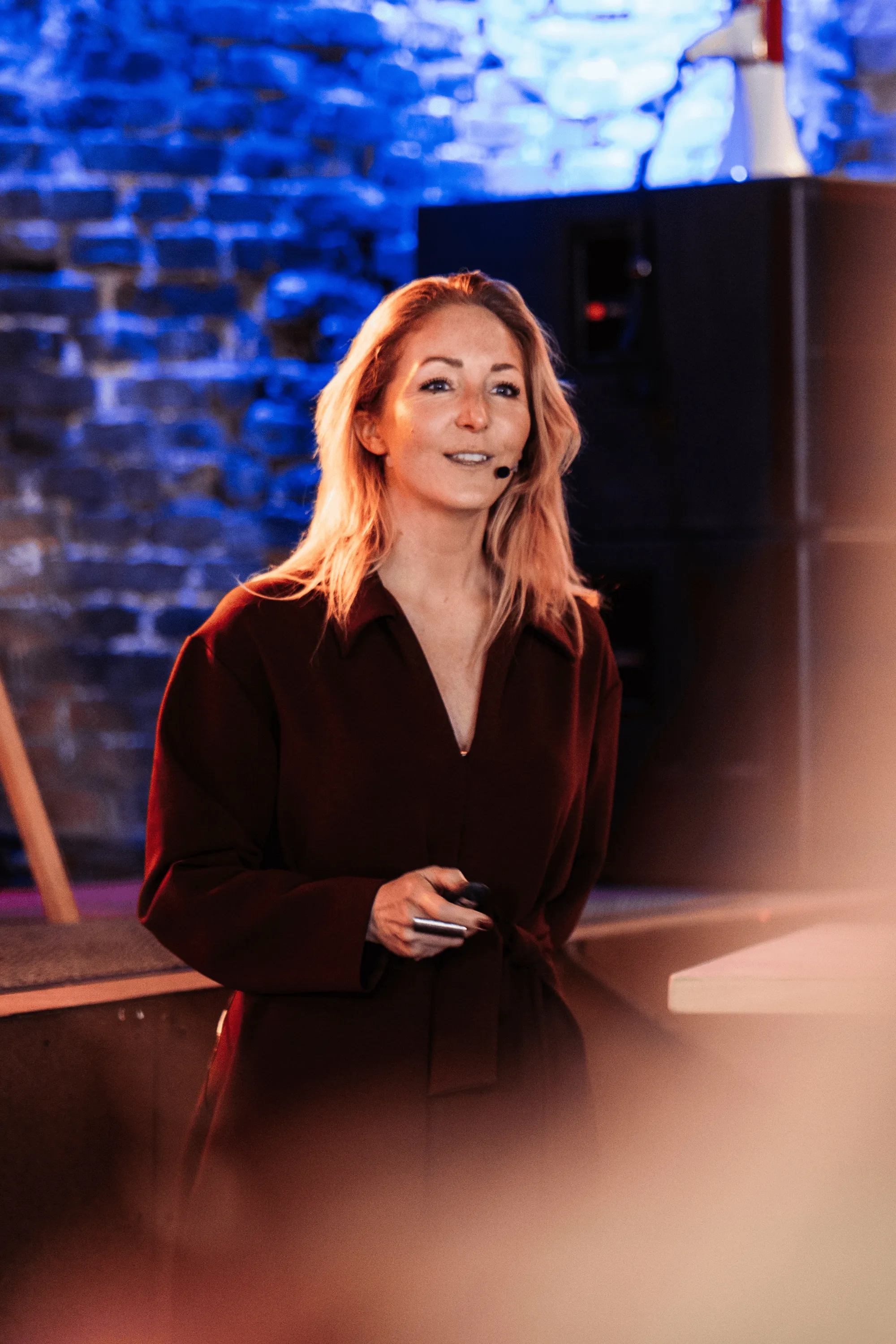
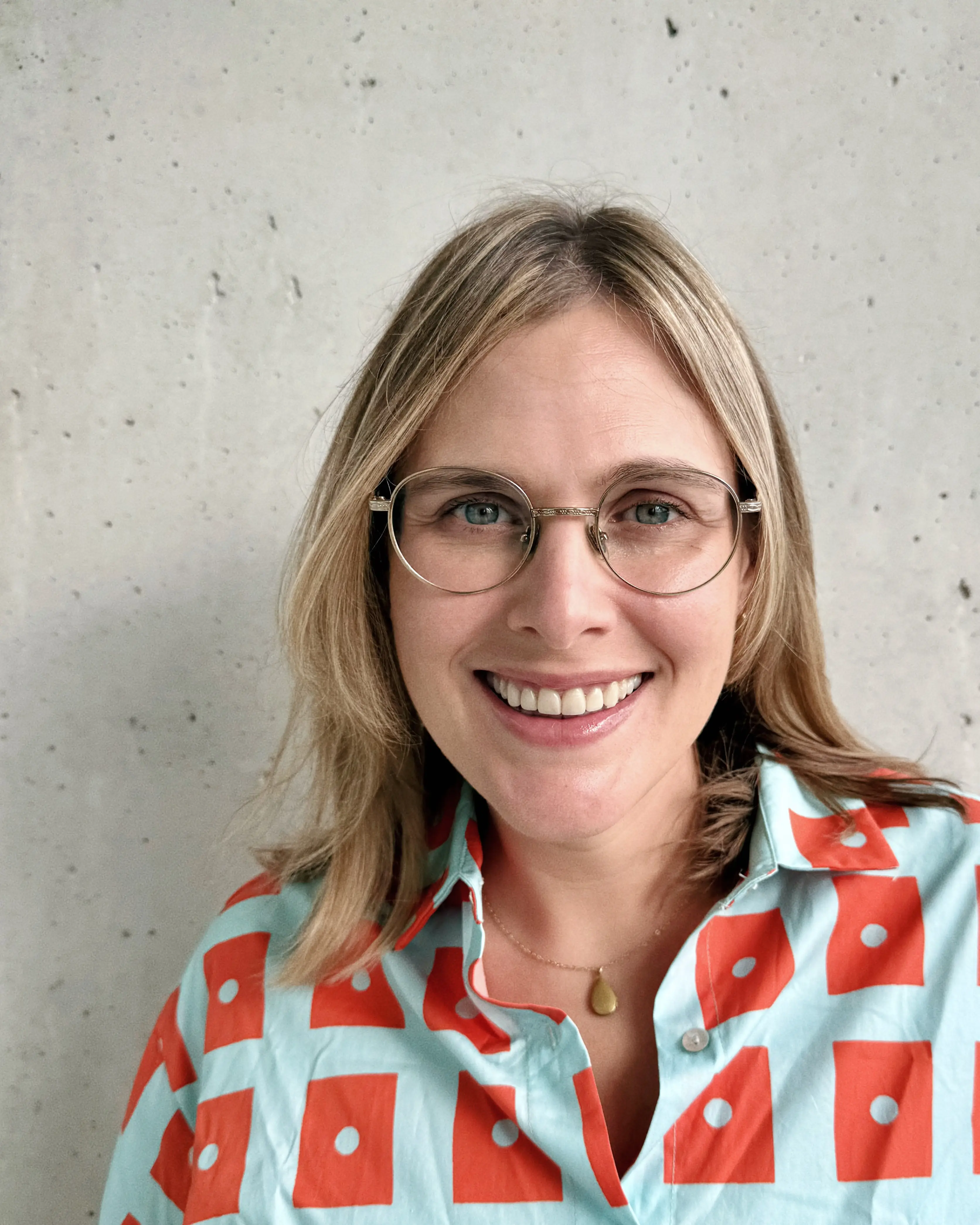
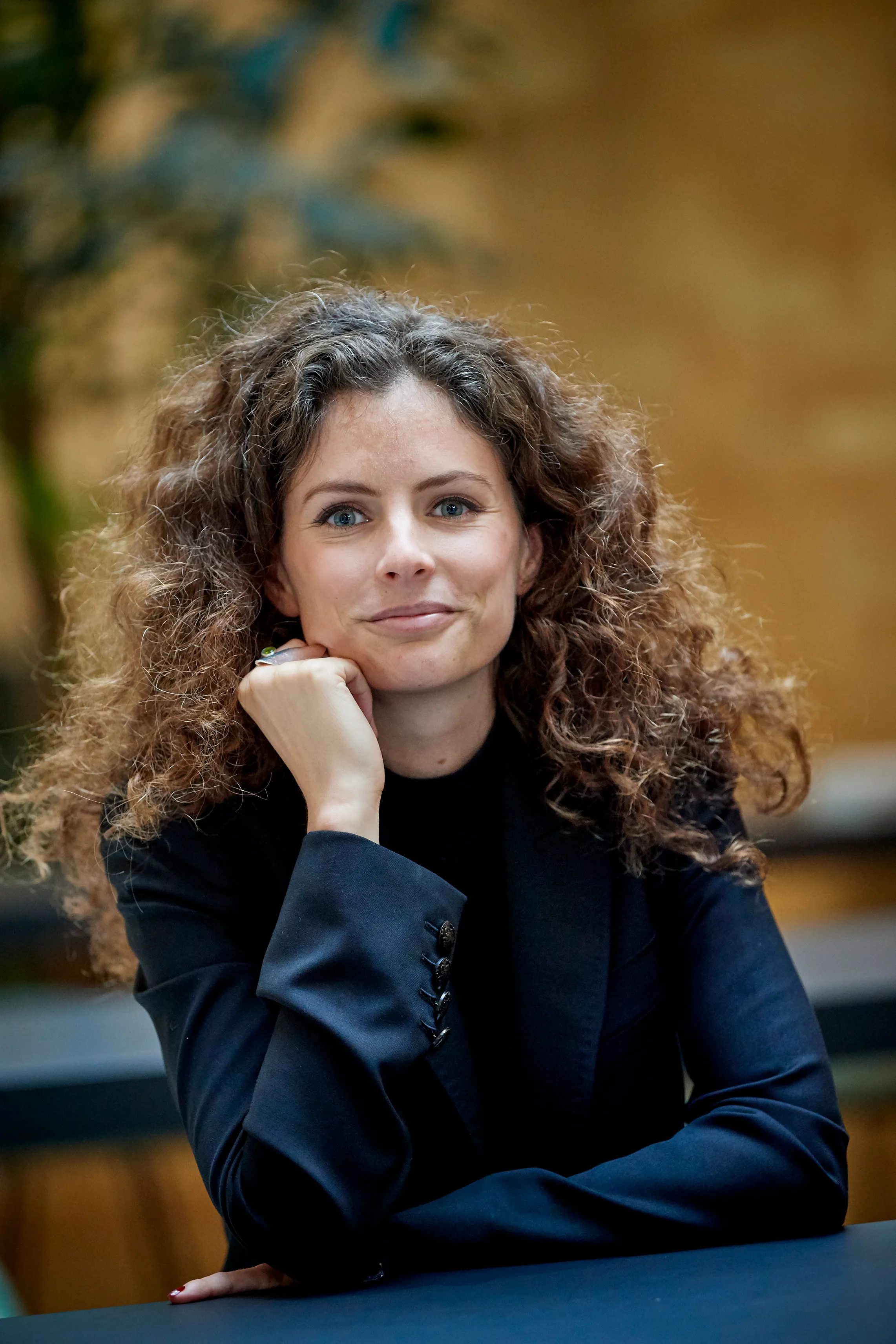
We have the shortest attention span in human history, and the skills that matter most in the AI age demand our full attention. Louise Opprud on the biology of big thinking and how to build deep work cultures.
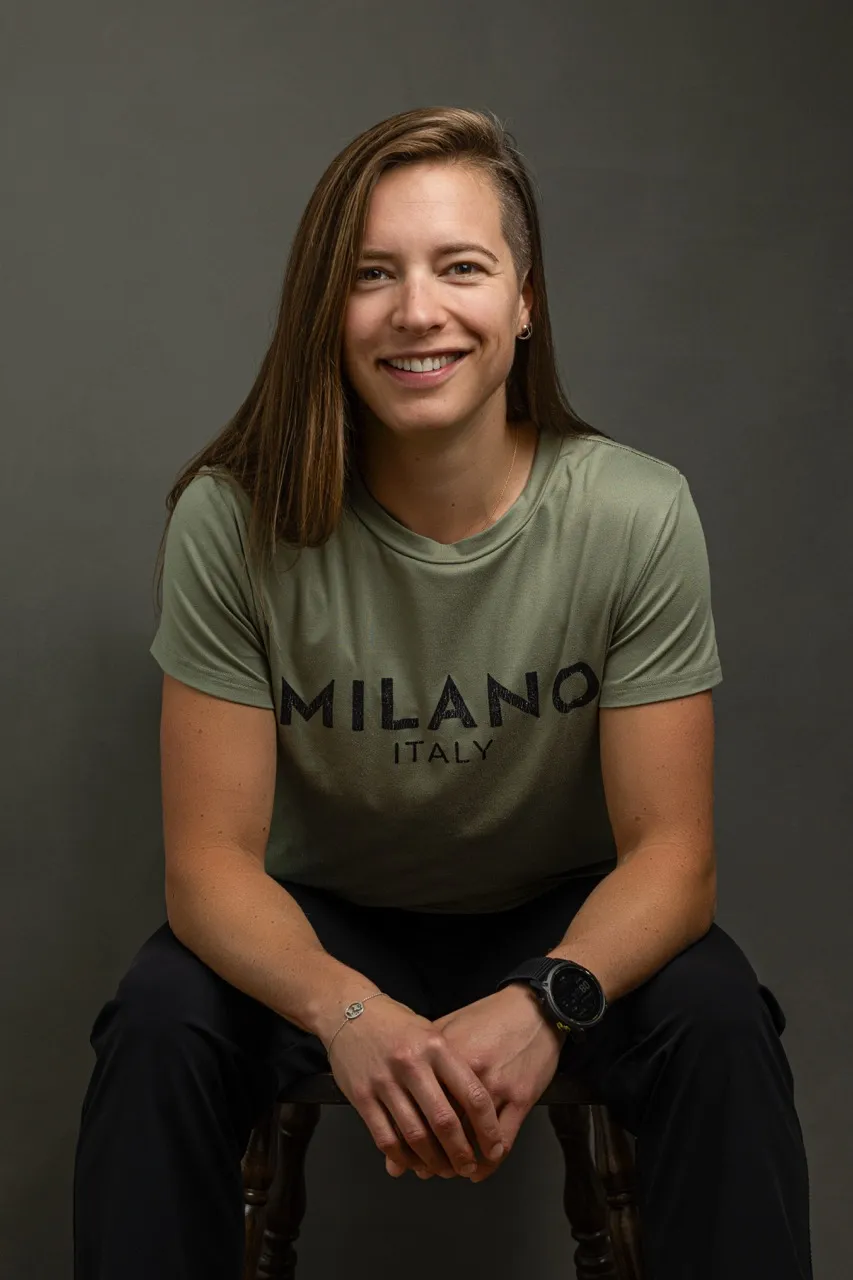
Where does computing stop and thinking begin? AI researcher Inga Strümke on what happens when machines that learn start shaping how we live, work and think.
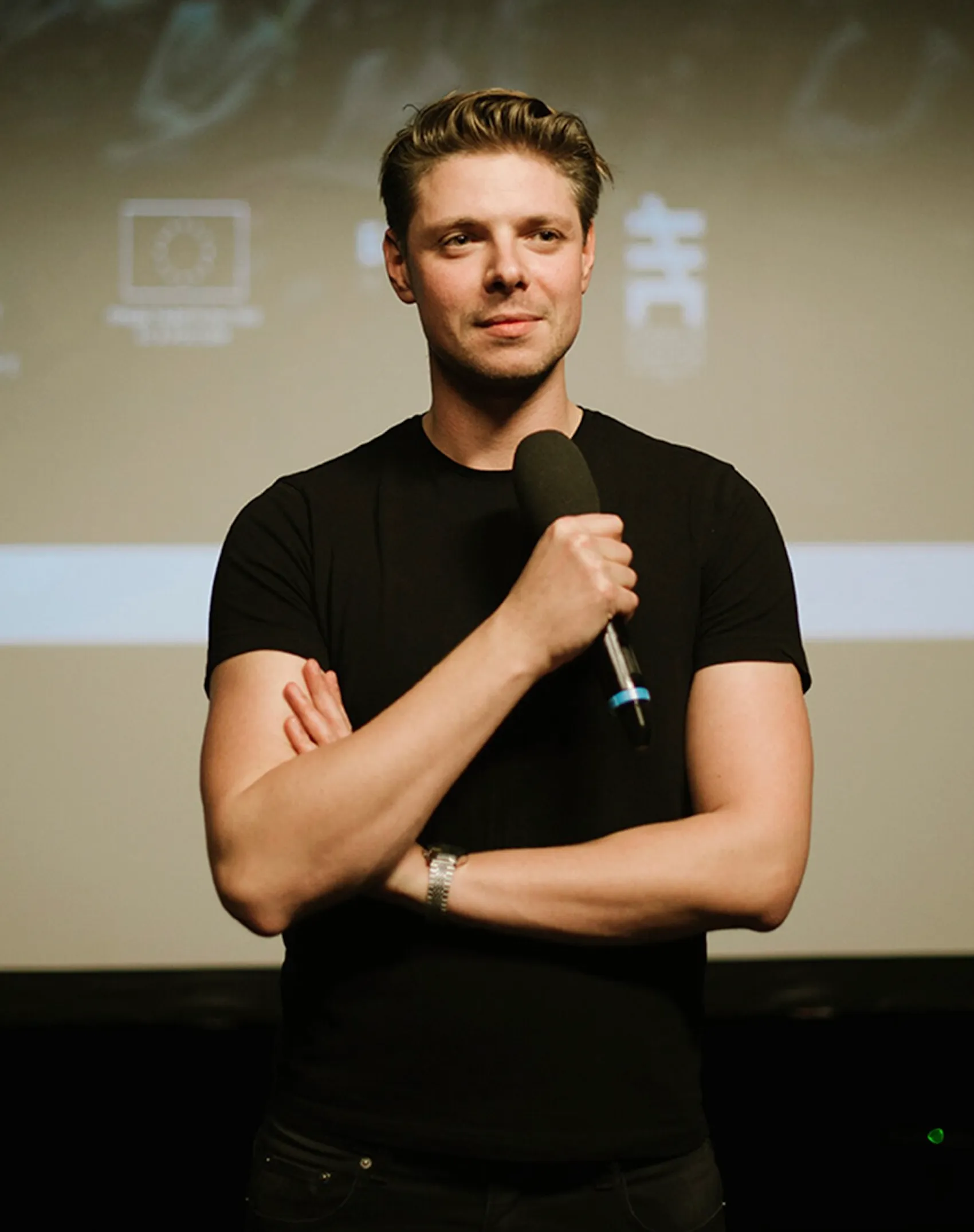
Real progress rarely makes headlines, and you can't build what you can't imagine. Denis Rivin with a reality check on the breakthroughs of our time, and a case for critical optimism.
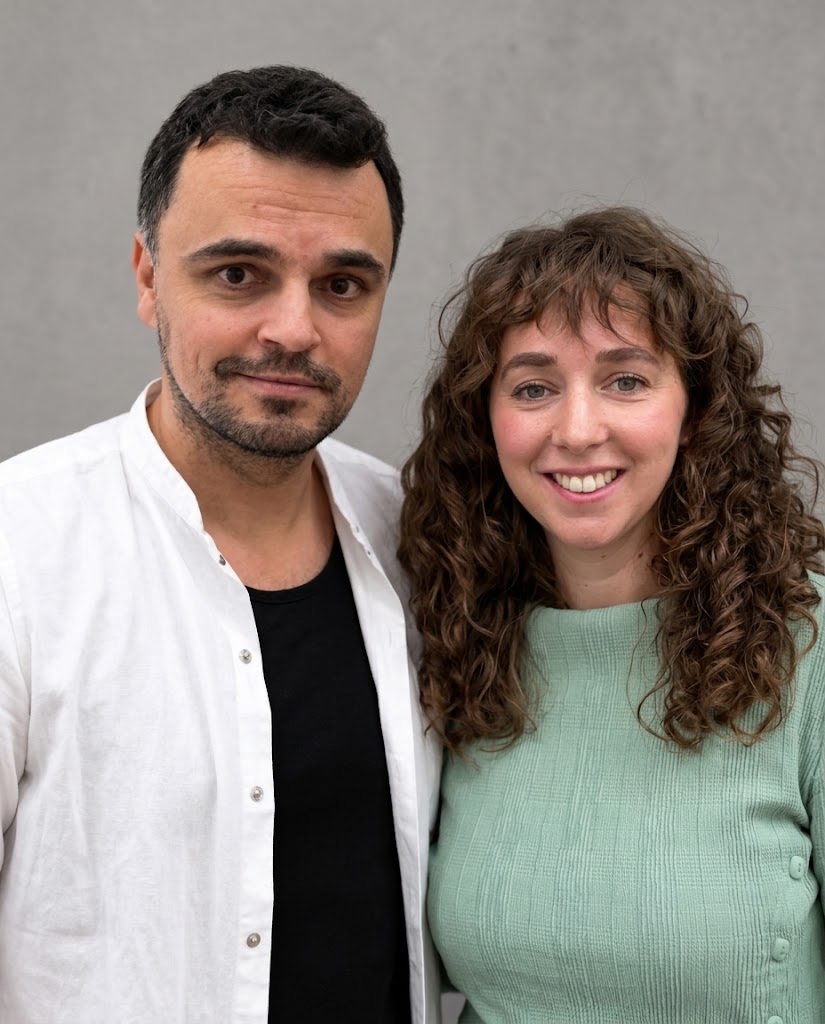
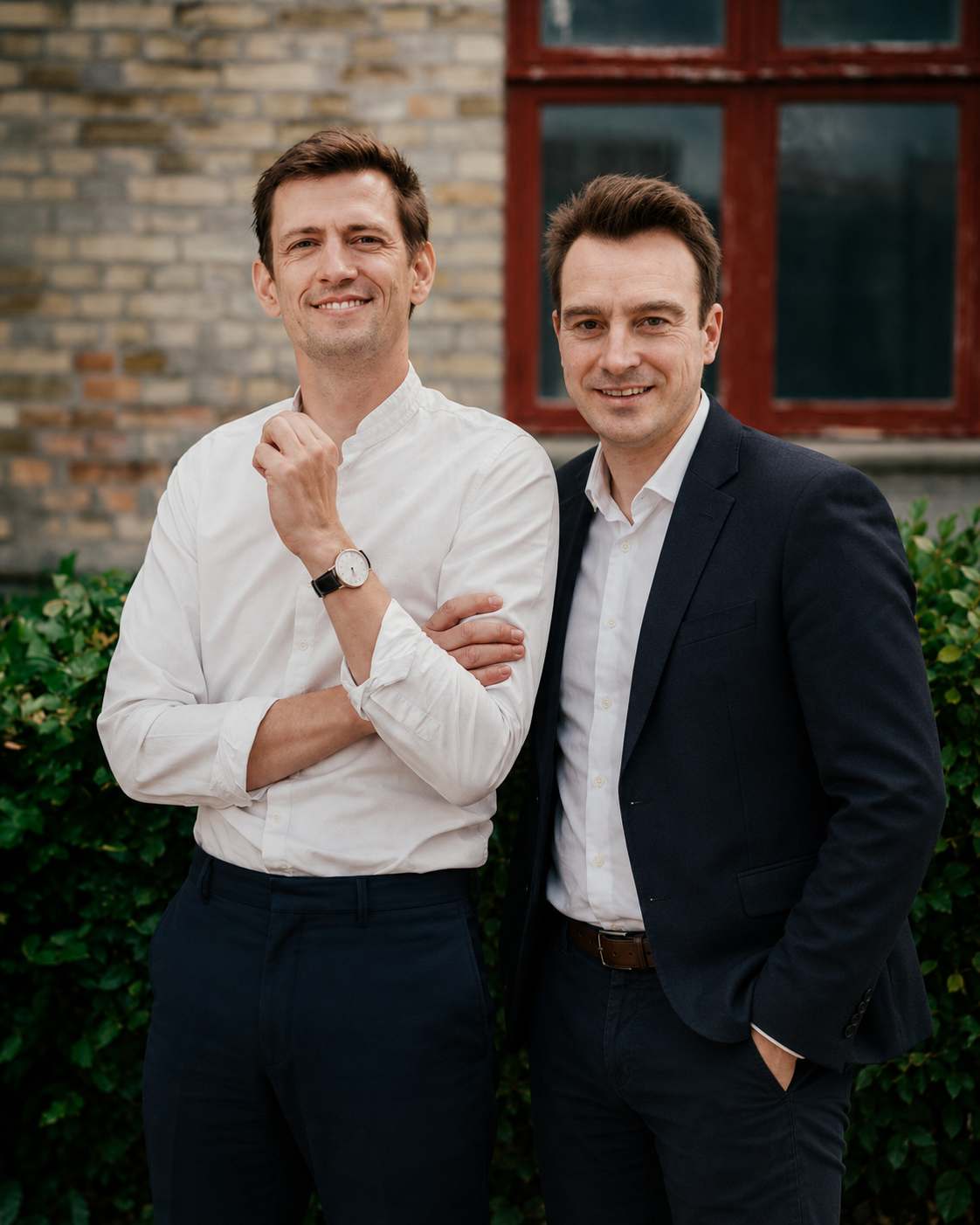
Human connection in the age of AI: deepening relationships with the help of technology The Glue Company is 80–90% AI-driven. So why does it feel more human than most companies that aren't? Co-founders Michael Nørballe Nielsen and Astrid Balle share how they put human presence at the center of every meeting, decision and relationship, and how they build AI that brings emotion into the room instead of taking it out. Expect a radical rethink of what technology is for: deeper conversations, stronger bonds, better results and human resilience.
The opening keynote speakers return to the stage for a short conversation on being human in the age of AI.
Since the industrial era we have built our lives around the clock, and forgotten the rhythms we evolved with. Brage Johansen on the history of time and how to build a relationship with it that helps us thrive.
As AI replaces tasks and skills, we will all have to reinvent ourselves, again and again. Marcus Ivarsson on why depth, flow and passion keep that learning sustainable.
AI is generic until you tell it who you are. Line Hjartarson on writing down what you value and who you are, so your decisions stop defaulting and your AI stops guessing.
Architect Andreas Aasted Gjede and experience designer Morten Steinbach-Ulrik on the tension between technology and the analogue, and what it means for the spaces where we think and work.
Lara Warman shares three experiments with AI at home: what to give away, what technology can add, and which skills her children will need to navigate the world.
When a new technology emerges, a brief window opens to shape how it is used, who controls it and what it changes. Märtha Rehnberg on the technological intuition we need to use that window well.
Film director and human rights activist Deeyah Khan closes the day in conversation with our host Louise Opprud. Together they look at creative thinking, the skills worth nurturing now, and why original thought and creative problem-solving are what carry us into the future.
Tickets include the full day program, lunch, and evening event.
Day 2: Small, hands-on workshops, seminars and masterclasses. Very limited seats (small-group format).
Discounted tickets are available for business or organisation with 5 or more attendees.